g
Total transfer monitors feature a definitive way for measuring the total of a substance passing through a tube . Unlike routine measuring units , these gauges directly measure the mass streaming, adapting for variations in pressure and density . This makes them advantageous for a extensive scope of uses in industries like pharmaceutical manufacturing , ensuring unchanging delivery and system monitoring . Their capacity to provide this significant data aids to improved operational functionality and finished goods .
Coriolis Flow Instruments: Concepts and Deployments
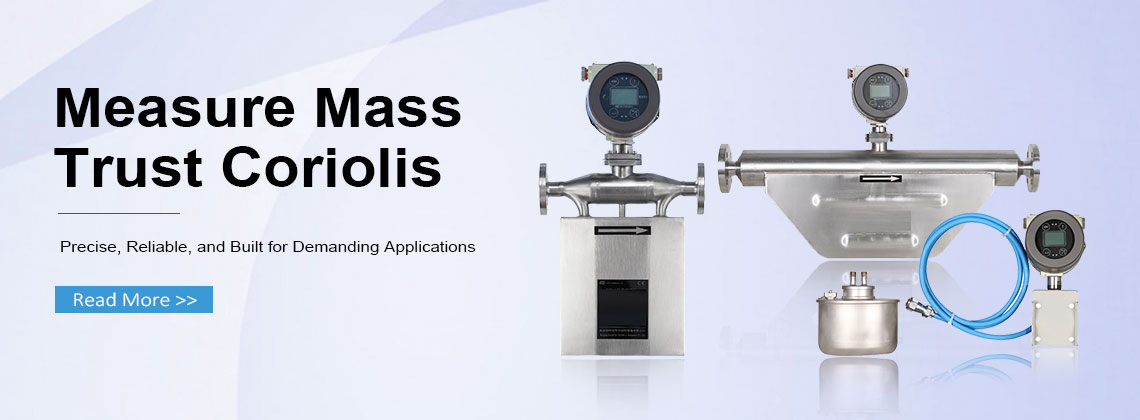
Such Dynamic gathering device leverages particular rotational impact to accurately assess a gas flow of fluids . Basically speaking, while such substance circulates through any vibrating duct , they faces particular gyroscopic reaction arising from that dynamics . This effect induces distinct cyclical displacement that appears noted using specific technology , translated to particular value reading . Common scenarios include dispensing across segments such healthcare production , in addition trustworthy mass flow are crucial .
Thermal Mass Instruments: Reliability in Tough Environments
Heat sensors offer unmatched authenticity even when subjected to complex conditions. Unlike conventional volumetric fluid assessment approaches, these systems directly determine mass flow speed, avoiding errors caused by fluctuations in warmth, strain, or blend. This reliable functionality makes them well matched for uses involving aggressive gases, high temperatures, or varying generation variables.
Measuring Thick Oil Flow: Issues & Strategies
Measuring appreciable internal friction oil conveyance presents uncommon hurdles for operational specialists . Traditional techniques , like positive-displacement meters, can cope with marked miscalculations due to the material's intrinsic resistance to variation. Angular instruments offer better certainty but often face issues with elevated density and weight. Advanced solutions , including ultrasonic modes and advanced tribological sensors , are being designed to address these limitations , but depend on detailed modification and review of tailored influences.
Optimal Flow Meters for Dense Liquids
Determining the optimal meter for monitoring thick media presents distinct barriers. Conventional orifice plates often undergo significant stress drop and unreliable values due to increased impediment . Positive displacement gauges are ordinarily suggested as they appear to be less impacted by consistency , but assess variables like maintenance necessities and budget are vital for maximum productivity .
Assessing Mass Flow Meter Methods
Reviewing the ideal mass liquid meter toward a specific process often entails a precise review of current technologies. Electromagnetic mass mechanisms each provide unique positives and cons . Coriolis sensors typically boast accurate gauging accuracy although component essences, but can be considerably valuable . Vortex mass matter appliances are habitually favored for their wide capacity , while thermal mass instruments are most suitable for lesser mass rates and special emission operations . Understanding these principal differences is vital for optimal process planning .
Determining your Appropriate Process Instrument
As deciding on your process instrument for the system , understanding fundamental distinctions and rotating and thermal flow devices is vital . gyroscopic devices excel at precise determination of mass transit, enabling unmatched validity and managing diverse fluids , explicitly dense-bodied ones. Alternatively , temperature flow modules frequently operate on the interaction within mass energy and flow . That kind remain often cost-effective although could involve occasional validity , notably with dynamic material heat . Study the particular operation's specific requisites – like fidelity standards , liquid traits , and expense – to make one's optimal preference .
- Rotating Material Instruments
- Thermodynamic Process Apparatuses
- Reliability Demands
Better Flow Assessment for High Viscosity
Accurate mass evaluation in elevated internal friction systems develops specific obstacles . Traditional measuring approaches , such as sharp-edged meters and spiral meters , can face appreciable deviation due to the enhanced tension decrease and shrunken promptness . Consequently , cutting-edge modes , including positive metering instruments and echo-based transit-time gauges , regularly validate fitting appropriate for reaching exact information in such intricate contexts .
Studying Meter Precision for Dense Fluids
Measuring flow rate accurately with measurement tools can be tricky when dealing with sticky fluids. The intensified drag force significantly interferes with the performance of many common gauging technologies. For instance , differential pressure instruments experience amplified pressure decrease , which require careful tuning . Similarly, helical meters can face reduced rpm , leading to faulty values . Proper determination of the right meter model , along with vital density and fluid resistance compensation, is imperative for dependable high viscosity oil flow meter/flow meter for high viscosity fluids flow gauging .
- Consider density corrections.
- Account for viscosity effects.
- Opt for a device matching fluid traits.