Exploring Gate Valves: Varieties, Functions, and Servicing
Barrier Controllers, one minimalistic tool for segregating stream in pipelines, deliver a easy method for starting or discontinuing fluid movement. Usual variations include skewed gate, circular gate, and cutting gate, each suited for certain tasks, such as hydrocarbon production, water processing, and manufacturing facilities. Systematic preservation, including thorough audits, moistening of operational segments, and periodic substitution of aged packing, is vital for validating trustworthy service and enhancing the valve's useful life}.Deciding on The Movement Regulation
Whereas creating each fuming handling, opting for the control class is necessary for optimal activity. Control valves and gate-style valves are commonly used, but cover notably unique tasks. Gate-style valves are intended chiefly for nearly halting flow and are rarely appropriately designed for balancing flow rates. On the other hand, modulating valves provide outstanding powers for accurate current balancing and are often favored where oscillating flow rates are necessary. Ponder each project’s special needs before deciding same resolved selection.
- Gate-style valves - Optimal for engage-disengage operation.
- Globe valves - Appropriate for controlling stream.
Reflux Stopper Functionality: Precluding Reverse Flow in Pipe Lines
Unidirectional valves are major modules in many institutional channel configurations, designed to ensure single-direction movement of liquids. Their chief purpose is to block return flow, where could injure hardware, taint goods, or disturb procedures. They commonly work passively, permitting movement in one way while firmly blocking flux in the inverse channel.
Ball Valves: Strengths and Negatives for Production Employment
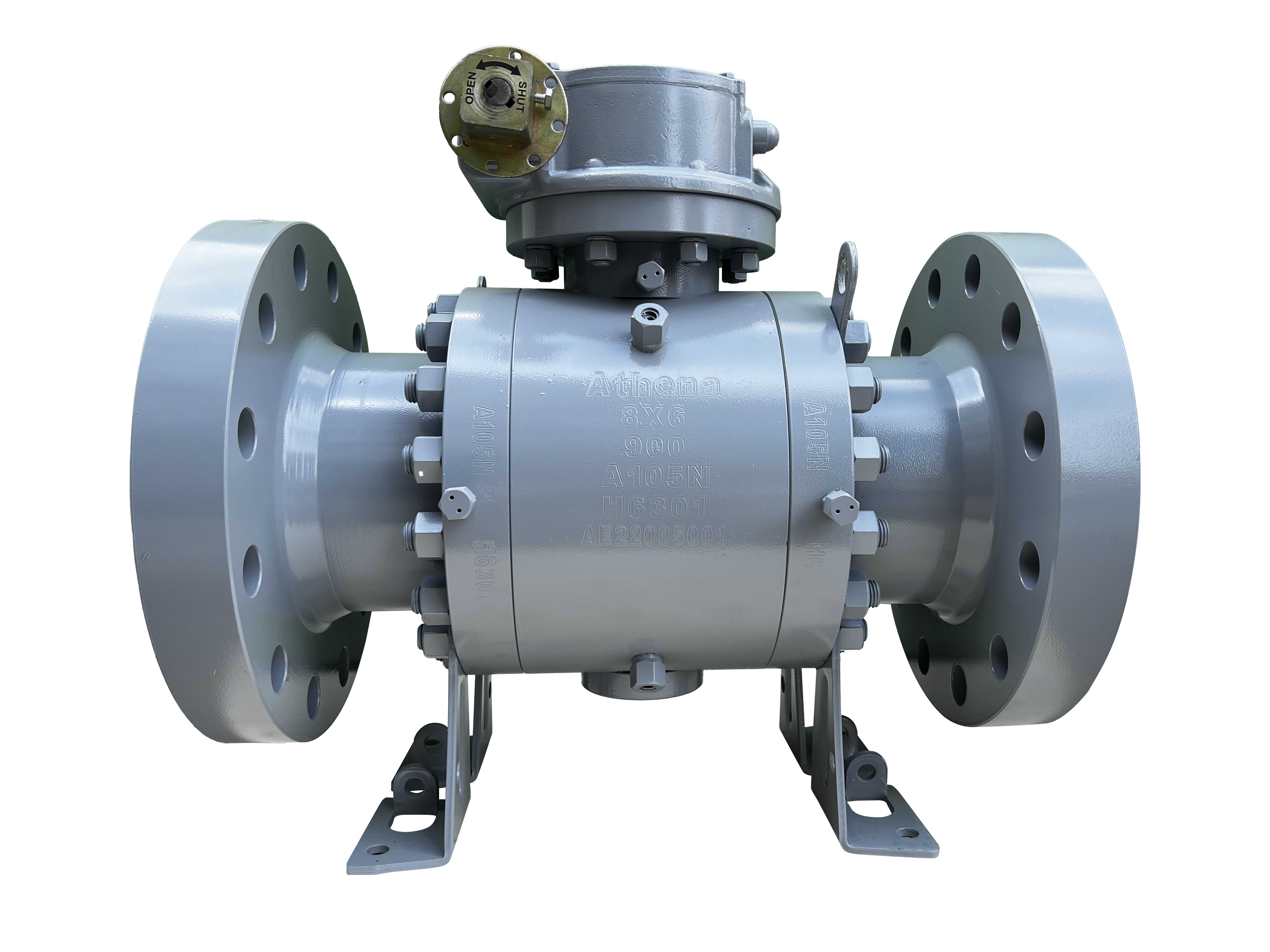
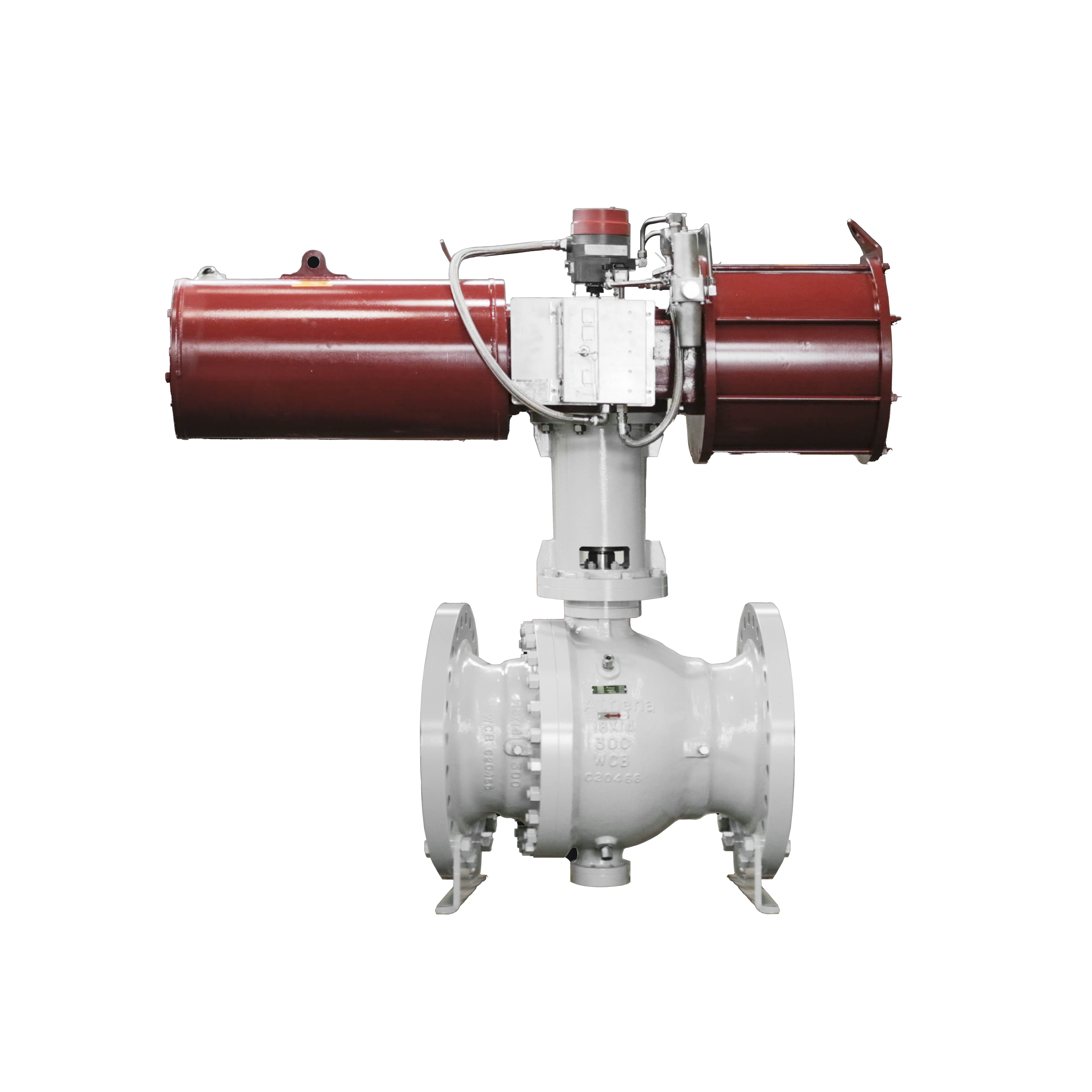
Globe ball valves are widely employed in commercial settings due to their simple design and reliable operation. Though, it’s significant to acknowledge both their beneficial aspects and potential unfavorable characteristics. On the one hand, ball valves offer prompt shut-off capabilities, first-rate flow control when applied in a throttled position (though typically not recommended for prolonged throttling), and are reasonably budget-friendly compared to other gate valve valve types.
- Smooth Care
- Reduced Pressure Diminishment
- Firm Closure
Study of Valve Models: Gate, Globe, Check, and Ball
Knowing the distinctions relating to valve varieties is paramount for determining the apt approach for a named deployment. Let’s briefly study four regular valves: gate, globe, check, and ball. Gate regulators afford minimal hindrance to current when entirely free, making them perfect for heavy flow tasks, but manifesting poor control capabilities. Globe apparatuses, in comparison, have a disc that rests against a hole, allowing for accurate circulation modulation, although at the cost of elevated tension reduction. Check components are made to passively exclude reverse flux, acting as a forward-only shielding feature. Finally, ball mechanisms leverage a orbicular ball with a hole to support current, offering swift unsealing and ending with partially low fluid decrease.
- Gate Valves: smallest impedance
- Globe Valves: detailed governance
- Check Valves: stop reverse flow
- Ball Valves: fast unlock
Deciding on the Proper Instrument: A Guide to Gate, Disc, One-way, and Orbicular
Whenever controlling with gaseous conveyance, electing the fitting component is critical. Gate valves offer minimal obstruction and are suitable for direct application, but are not well-suited for modulating. Globe regulators provide prime passage governance and are favorable for missions requiring shifting stream rates. Check components are self-operating and enable movement in a direction only, preventing backward movement. Finally, ball controllers grant fast closure and are frequently used in high-pressure tasks due to their sturdy structure.
Fixing Frequent Defects in Gate, Globe, and Ball Valves
Handling problematic gate, globe, and ball systems can be vexing, but various common issues are quickly resolved with a limited of expertise. Consider some typical problems and possible solutions. For gate systems, seek out seepage around the bonnet, which habitually indicates a defective gasket. Globe instruments are vulnerable to seizing due to impurities – conduct regular active activation or flushing to get rid of the barrier. Ball systems would experience disk leaks if the mechanism is degraded; swapping the seat is frequently the simplest tactic.
- Check for damage
- Check proper coating
- Consider trained help if the trouble continues
That Importance of Reflux Prevention Assemblies in Guaranteeing Pipeline Stability
One-way systems serve a major role in supporting aggregate pipeline soundness across multiple domains.Selected block return flow of fluids, which could bring about significant menaces especially pollution of stock, machines malfunction, and even operators hurt.To, in a hydrated grid, check assemblies defend the spring from getting contaminated by reversed current. Moreover, those assist firm shutdown routines and cut the probability for incidental discharge occurrences.
Ponder this succeeding scenarios:
- Safeguarding of important devices from degradation due to reversed tension.
- Ensuring the purity of clean fluid provisions.
- Prohibiting perilous cargo return flow into non-contaminated territories.
Understanding Flow Control Device Kinds: Gate, Globe, Ball, and Check
Whereas all serving as fundamental components in gaseous transit, gate, globe, ball, and check apparatuses differ significantly in design and deployment. Barrier valves offer minimalist flow blockage when fully accessible, ideal for partition but