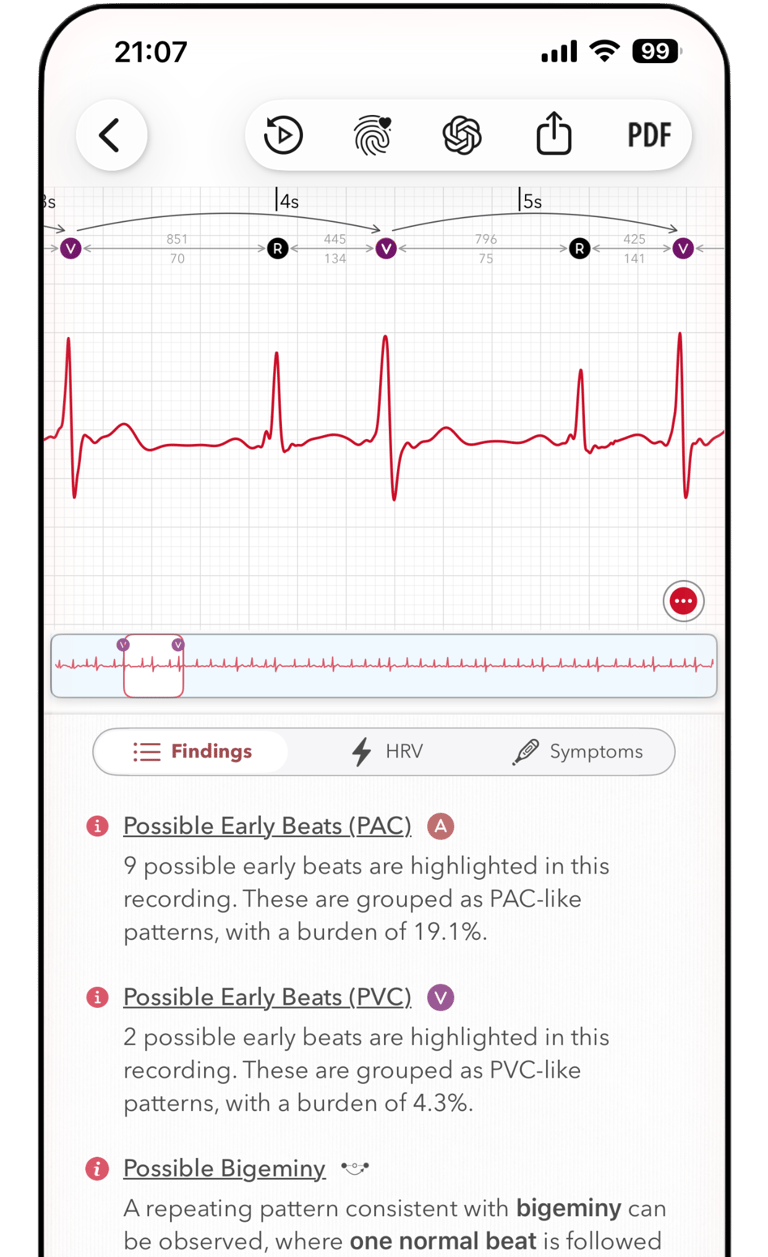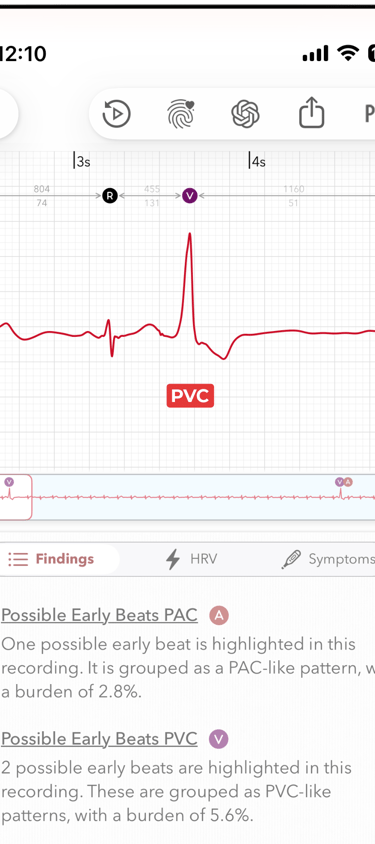
Hello
TheSmartwatch’s Cardiac Monitoring aspect has redefined how certain users scrutinize their cardiovascular health. This presentation investigates into the methodology of the ECG platform on the Apple Watch, illustrating how it responds and what form of facts it can convey. We’ll tackle the starting points of cardiovascular graphs, possible weaknesses, and important points to sustain in consideration before leaning the readings. Ultimately, this entry aims to guide you to grasp your circulatory’s rhythm with the support of your Smartwatch
Grasping ECG+ through Your Electronic accessory
Individual's Electronic accessory provides a striking aspect, the ECG+ application, empowering you to gather an electrocardiogram directly from your wrist. This device isn't a proxy for regular medical consultations, but it offers valuable knowledge about your heart tempo. The ECG+ app registers atrial fibrillation (AFib), a type of irregular heartbeat, and can indicate other heart disorders. To implement it, ensure your watch and iPhone are compatible. You’ll required watchOS 7.5 or subsequent and iOS 14 or advanced on your iPhone. The process consists of placing your fingers on the Digital Crown and a area below it, letting the watch finalize the reading. Results are documented in the Health app and can be shared with your medical professional.
- Ascertain proper watch positioning.
- Abide by on-screen instructions.
- Reach out to results with a healthcare professional.
Apple Watch Heart Scan: How Does It Operate
A Electronic watch’s ECG component adopts a clever approach to record your cardiac electrical rhythm. It operates by incorporating electrical electrodes located within the circular button and the wristband. When you initiate an ECG test, these parts send tiny electrical impulses through your skin, which followingly register the electrical signatures of your pulse. These measurements are interpreted by sophisticated software within the watch to assemble an ECG summary, which can then be consulted within the monitoring app on your wireless device. With respect to accuracy, while the Apple Watch ECG module can deliver valuable information, it is never a replacement for a medical-grade ECG run by a medical consultant. Examinations have shown distinct levels of accordance with medical-grade ECGs, highlighting the value for evaluation by a doctor and it is expected to be used as a means for checking purposes, not for formal judgment of coronary conditions.
Exploring the Apple Watch ECG Instrument
One’s Watch's ECG function can seem challenging, but knowing how it runs is quite simple. It’s crucial to be aware that this device isn't designed to act instead of a medical expert’s evaluation; instead, it provides a summary of your cardiac electrical pattern. In short, the watch implements electrodes located the crown and control to sense the electrochemical signals. The procedure can identify potential ECG Reader disorders like atrial fibrillation, which demands intensive medical inspection.
- It's a primary assessment.
- Always connect with a medical.
- Evaluate the limitations.
Cardio Exam on Apple Watch: Understanding Your Cardiovascular Readings
Everyone’s Apple Watch's ECG functionality offers a noteworthy glimpse into your circulatory performance. Despite this, it's crucial to understand that these measures aren't a replacement for a trained diagnosis. An ECG might detect anomalies like atrial fibrillation (AFib), which is a state where your cardiopulmonary beats erratically. Distinct findings could include normal sinus rhythm, or atypical patterns that justify comprehensive investigation by a physician clinician. Regularly share your ECG data with your healthcare provider for dependable assessment and specialized suggestions.
Are Your Wearable Watch Heart Rhythm Giving Consistent Results?
The growing Apple Watch ECG feature offers a tempting glimpse into your atrial health, but a query lingers: may it truly yielding accurate outputs? While the Apple Watch ECG is cleared by the FDA, it's crucial to remember it's not a alternative for a professional healthcare evaluation. It’s designed to spot potential pulse inconsistencies, which is associated with a need for further investigation, but false flags and false negatives are possible. Several factors, including proper positioning of the watch and body contact, matter in obtaining useful results. Think about consulting with your physician regarding your ECG results and never rely exclusively on the Apple Watch's interpretation.
- Check proper watch contact.
- Share results with your medical professional.
- Avoid self-treating based on ECG results.
Apple Watch ECG & ECG+: Capabilities and Benefits Compared
The particular Digital watch offers some cutting-edge ECG and ECG+ tool, granting users to capture a electrocardiogram without delay from their extremity. The primary ECG platform can spot signs of irregular heart rhythms, the potentially significant heart disease. ECG+ augments upon this, presenting a prolonged 30-second recording timeframe and additional analysis directed on discovering left-side atrial segments, where are considered relevant for distinct patients with a archive of undetermined cerebral event. These tools stand for a important advance in on-the-go fitness assessment apparatus, conceivably supporting for premature intervention and augmented person accomplishments.
Addressing Typical Errors with the Apple Watch ECG
If a user’s Apple Watch ECG tool isn't working according to plan, many viable causes are and are somewhat handled. Before anything else, confirm your watch and your iPhone are up to date with the state-of-the-art software. Subsequently, explore resetting both equipment; a quick reboot usually resolves insignificant glitches. On top of that, examine the ECG adjustments in the Health program to prove the necessary parameters stand as defined accurately. Ultimately, if an individual is still experiencing issues, communicate with Apple Assistance for extra advice.
Beyond the Essentials: Elaborate Apple Watch ECG Consideration
While the Apple Watch’s ECG functionality offers a considerable tool for observing potential atrial fibrillation, delving outside the basic assessment brings forth a domain of nuanced alternatives. Exact observation of the comprehensive waveform, including characteristics like P wave shape, PR stretch, and QRS network, entails a comprehensive understanding of cardiac function. Furthermore, analyzing trends over intervals and associating ECG measurements with case’s symptoms can offer crucial insights for supplementary professional analysis, whereas it's essential to be aware of that the Apple Watch ECG is is not meant to be a surrogate for a competent cardiac diagnosis.
Best wishes